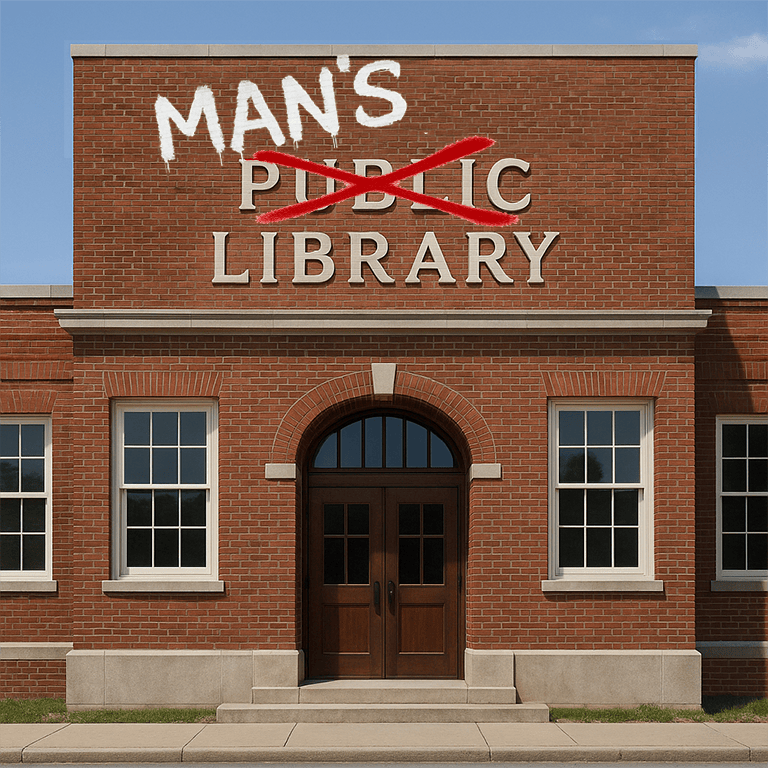
When the grid goes down or the air turns toxic, your most valuable asset isn't your gear—it's your knowledge. "The Man's Library" is a massive digital vault containing over 1,500 survival guides, manuals, and videos. From wilderness survival and firearms to home repair and emergency medicine, this is the definitive collection of skills every man needs to protect his family and lead with confidence. Stop scrolling YouTube for half-answers and get the complete blueprint for self-reliance.
Unlock The Man's Library Now:
https://69a84n3gi-v2shvengmffjgdb5.hop.clickbank.net

Dear Subscriber,
This is a joint message from James Bender and Bob Yeager. We are writing to you today from our respective homes in Ohio and Pennsylvania, and if you are anywhere in the Eastern United States, you know exactly why we are reaching out.
The sky isn't just hazy; it's a deep, unsettling orange-gray. In Pennsylvania, we are currently under a statewide Code Purple air quality alert. In Ohio, the situation is just as dire. The smoke from the massive Canadian wildfires has moved south, and it is a stark reminder that natural disasters don't always hit you with a direct blow. Sometimes, they affect you in ways that are indirect, invisible, and incredibly persistent.
The Reality of Indirect Disasters
Most people prepare for the "Big One"—the hurricane, the earthquake, or the direct wildfire. But what we are experiencing right now is a different kind of threat. It's an environmental degradation that affects your health, your ability to work outside, and your overall quality of life.
When the air quality hits Code Purple, it means the air is "very unhealthy" for everyone, not just sensitive groups. We are talking about fine particulate matter (PM2.5 ) that is small enough to enter your bloodstream. This isn't just a "bad air day"; it's a systemic challenge to your resilience.
Practical Steps for the Purple Haze
Here is what we are doing right now, and what we recommend you do to protect your household:
1.Seal the Sanctuary: Your home is your first line of defense. Keep all windows and doors closed. If you have a central HVAC system, ensure you are using a high-quality MERV 13 filter and set the system to "recirculate" rather than pulling in outside air.
2.Air Purification: If you don't have a dedicated air purifier, now is the time to build a Corsi-Rosenthal Box. It's a simple, DIY solution using a box fan and four MERV 13 filters. It's more effective than many expensive commercial units and can be built in minutes.
3.Limit Exposure: This is not the time for your morning run or outdoor projects. Every breath of this air is a withdrawal from your "health bank." If you must go outside, use a well-fitted N95 or P100 respirator. A simple cloth mask will do nothing against PM2.5.
4.Monitor the Data: Don't guess. Use resources like AirNow.gov or local DEP sensors to track the AQI in your specific neighborhood. Conditions can change rapidly as the smoke plumes shift.
5.Check Your Neighbors: Indirect disasters are a great time to practice community resilience. Check on the elderly or those with respiratory issues in your area. A simple phone call can make a massive difference.
The Moral of the Smoke
This smoke is a physical manifestation of the "unseen chains" we talked about in our recent report. It shows how events thousands of miles away can directly impact your daily life. True self-reliance means being able to maintain your standard of living even when the environment around you becomes hostile.
Stay safe, stay inside, and keep your filters clean.
Stay Ready,
James Bender & Bob Yeager
WayPoint Survival / Prepping 101
P.S. If this smoke has you thinking about how much you still have to learn about true independence, you need "The Man's Library." With over 1,500 guides on everything from bushcraft to home repair, it's the ultimate resource for building the skills that no disaster can take away. Get your copy here:
https://69a84n3gi-v2shvengmffjgdb5.hop.clickbank.net